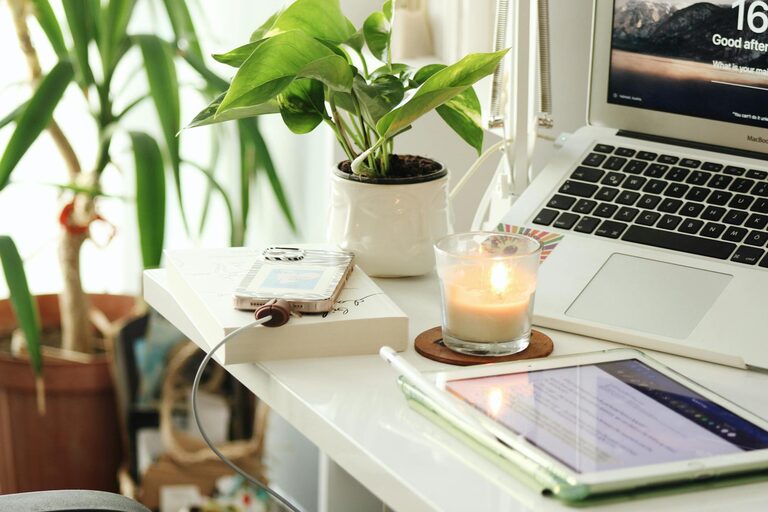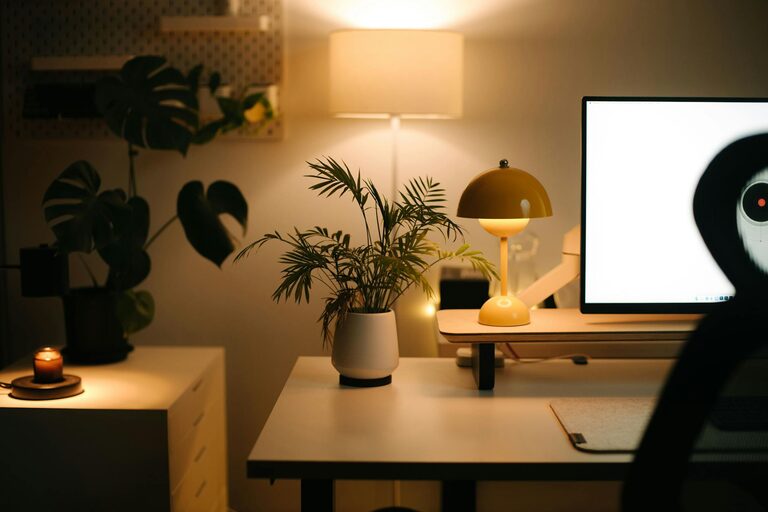
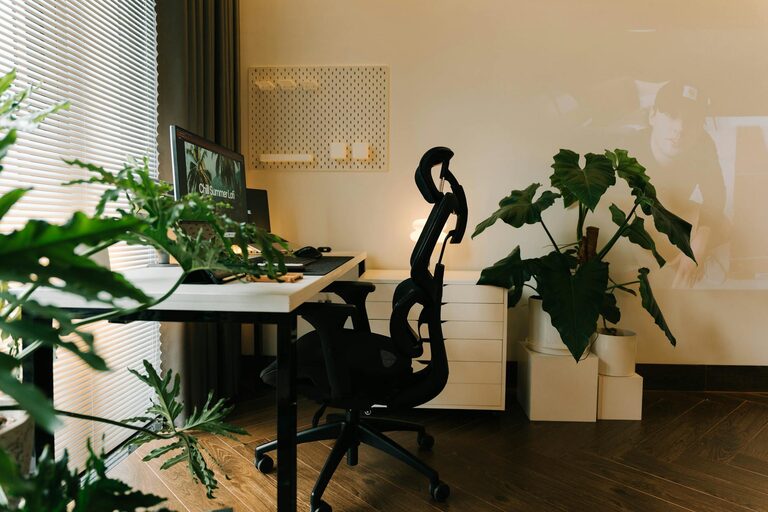
Creating a cozy and inviting home workspace is essential for staying motivated and productive, especially when working or studying from home. A space that feels comfortable and organized can help reduce stress and improve focus, making work feel less like a chore and more enjoyable. Whether you have a dedicated room or just a small corner, these tips will help you design a workspace that welcomes you every time you sit down to work.
1. Choose the Right Location
The first step is selecting a spot in your home that best suits your work needs. Ideally, this should be a quiet area with minimal distractions and good natural light. Natural light not only brightens your workspace but can also improve mood and energy levels.
If possible, avoid spaces in high-traffic areas like the kitchen or living room. Instead, consider a spare bedroom, nook, or even a well-organized corner of your main room.
2. Invest in a Comfortable Chair and Desk
Your furniture influences how long and comfortably you can work. Invest in an ergonomic chair that supports your back and encourages good posture. If a new chair isn’t in the budget, add cushions or lumbar supports to enhance comfort.
Choose a desk or table that fits your available space and work requirements. It should be large enough to hold your computer, supplies, and any other essentials but not so big that it overwhelms the room.
3. Optimize Lighting
Lighting is a key factor for comfort and productivity. Besides natural light, make sure you have a good mix of ambient and task lighting. A desk lamp with adjustable brightness and positioning is ideal for focused tasks like reading or writing.
Use warm or neutral light bulbs to create a cozy atmosphere. Avoid harsh, overly bright lights that can cause eye strain over time.
4. Personalize with Decor and Color
Make your workspace feel inviting by adding decor that reflects your personality. This could be artwork, photos, plants, or decorative items that inspire you.
Choose colors that promote calm and focus. Soft blues, greens, or neutrals are often recommended because they don’t overstimulate and help maintain concentration.
5. Keep It Organized
Clutter can be distracting and stressful. Use storage solutions like shelves, drawers, and organizers to keep your desk tidy. Label containers and keep only the essentials close at hand.
Try to develop a daily habit of tidying your workspace at the end of each day. A clean area is more welcoming when you return to work.
6. Incorporate Greenery
Plants bring life and a touch of nature indoors, which can improve both air quality and mood. Choose low-maintenance plants such as succulents, pothos, or snake plants that thrive indoors.
Position them near your desk or on shelves to create a refreshing visual break during work.
7. Minimize Noise Distractions
If you live in a noisy environment, explore ways to reduce distractions. Noise-canceling headphones, white noise machines, or soft background music can help block out unwanted sounds.
Consider adding rugs, curtains, or soft furniture to absorb sound and improve acoustics.
8. Add Comfort Touches
Small comforts make a big difference in creating an inviting workspace. Consider adding a cozy blanket, a cushion, or even a small essential oil diffuser for relaxing scents like lavender or eucalyptus.
Adjust the temperature so you feel comfortable, using a fan or heater as needed.
9. Set Up Technology Efficiently
Make sure your workspace supports your technology needs without becoming cluttered. Use cable organizers to manage cords and invest in a wireless mouse or keyboard for flexibility.
Keep chargers and devices within reach but neatly arranged to avoid mess.
10. Create a Routine and Boundaries
A cozy and inviting workspace is also about how you use it. Establish a daily routine that includes breaks, stretches, and time away from the desk.
Set boundaries with family or roommates, so your workspace remains a quiet zone during work hours.
—
Final Thoughts
Designing a cozy and inviting home workspace doesn’t have to be complicated or expensive. Focus on comfort, organization, and personalization to build a space where you feel motivated and relaxed. Over time, small improvements can make a big difference in your work-from-home experience. Start with a few changes today, and enjoy the benefits of a workspace that truly works for you.
About the Author